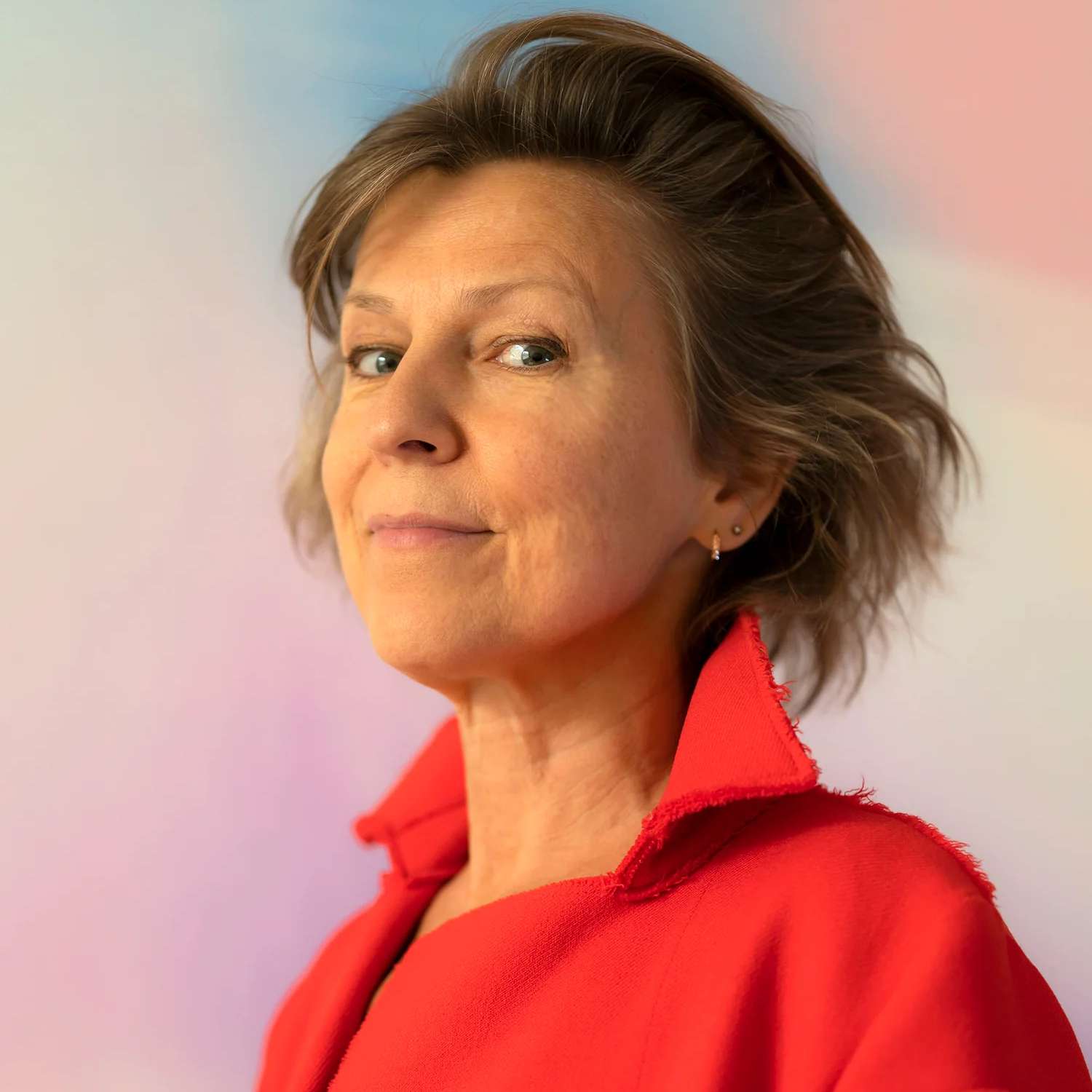
Madara Gulbis
“Large formats, bright and skilfully organised pure colours, a technically unleashed account of the artist's own searching and finding… , the physical properties of the painted surface – thickness, transparency, gloss, matt, the visible consequences of a chemical process of fusion…”, is how the art scholar Baiba Magdalēna Eglīte describes the painter.
“Colour is allowed to seek its own way, to meet another colour and build a relation with it, and then a stop! said with a broad sweep disciplines that free encounter, because the artist's will redirects, subdues and organises it…”.
A great mastery and capacity has been reached in this “organisation” of the canvas surface – visions of colour must be free and untormented, must stir associations and ranges of feeling in the viewer. Light and dark, light and space, mysteries and dreams, and more and more…
Abstraction and the abstract. To abstract means to attend to what is essential and to disregard what is not. To set apart and to generalise particular features, to see them separately from the rest. These are the principles I observe when I paint.
Abstract painting is a painting of sensation. Its advantage is the chance to depict a moment. A moment strong and important enough, a moment in which so much that is essential happens.
My painting is an imitation of nature, a mimicking of nature, but not a copying of it. Everything has been watched, felt and understood in nature – as if a fragment of some particular moment, some view, one sensation. By this I mean nature, the environment, all that is around us every day. The environment in which our lives take place.
In a painting everything is said with colour alone; the composition too is made of fields of colour. They can flow freely, pass one into another, overlap; or they can be strictly separated, bounded.
Colour is the main thing, and it has to provoke some sensation, some thought in the viewer. One has, of course, to look and to think associatively.”
The artist graduated from the Art Academy of Latvia (BA, 1994; MA, 1996) and from the Janis Rozentāls Riga Art School. She has been a member of the Artists' Union of Latvia since 1997. Her solo exhibitions have been held in Latvia's leading exhibition spaces, including the Mark Rothko Art Centre, the Jūrmala City Museum, the Talsi Regional Museum and Devons in Sigulda, as well as in galleries in Poland and Germany.
She takes an active part in international biennials, art fairs and group exhibitions in Europe and Asia, including in Korea, Bangladesh, Lithuania, Estonia, Belgium, Poland and Finland. She is a regular participant in ArtVilnius, the Marina painting biennial and the Rothko thematic exhibitions.
She has received the “Baltijas Sleipnirs” grant of the Nordic Information Office and, on several occasions, grants from the Latvian Culture Capital Foundation for creative projects and exhibitions.
The artist's exhibitions
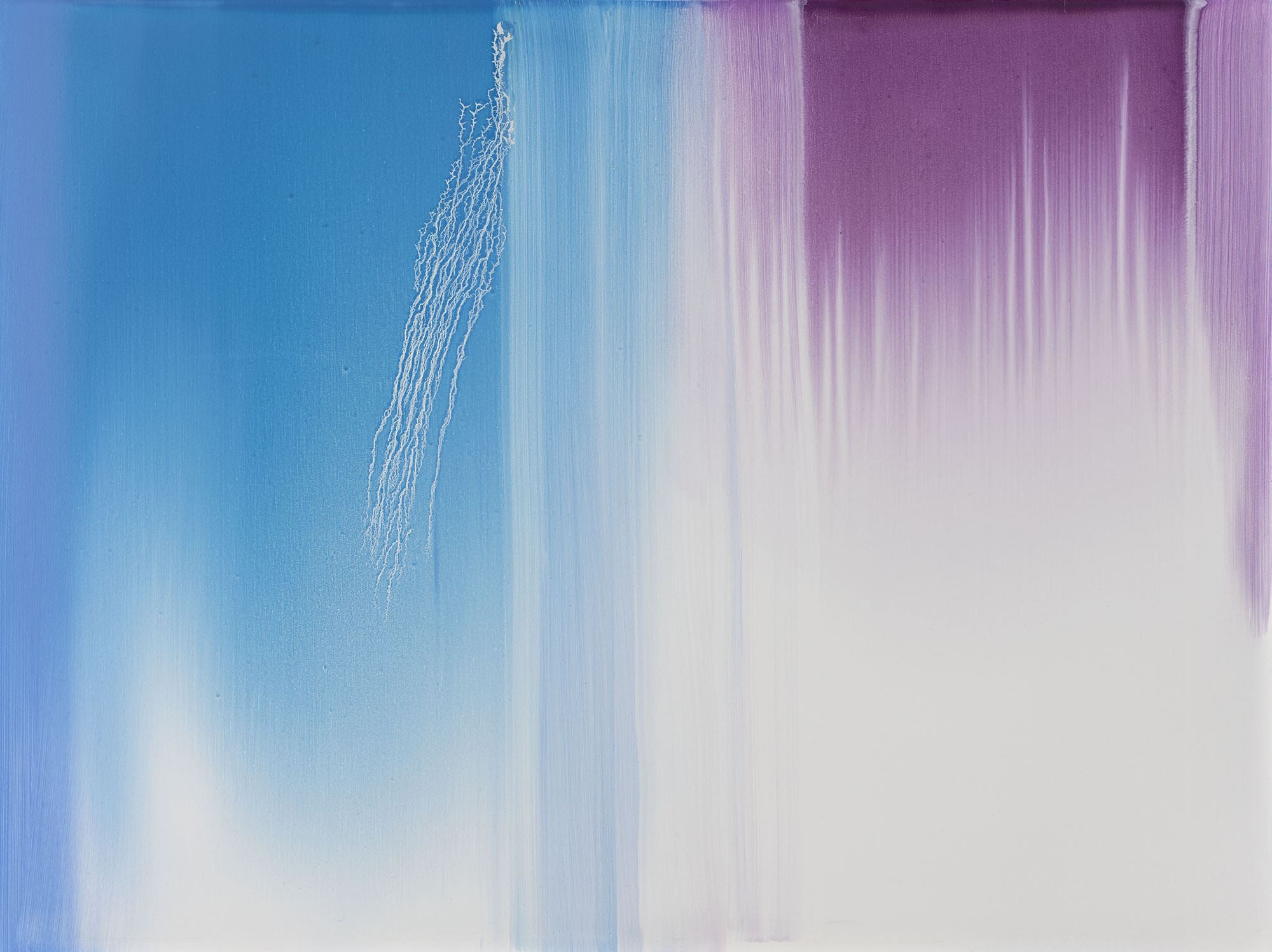
SKY AND SKY
25.05.2025 - 15.07.2025
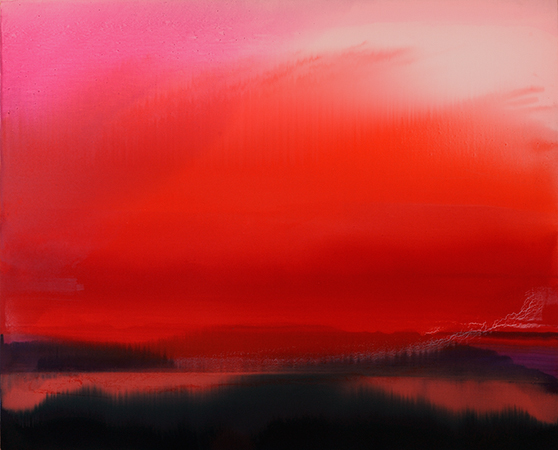
VIEWS OF NATURE
27.10.2022 - 22.11.2022